

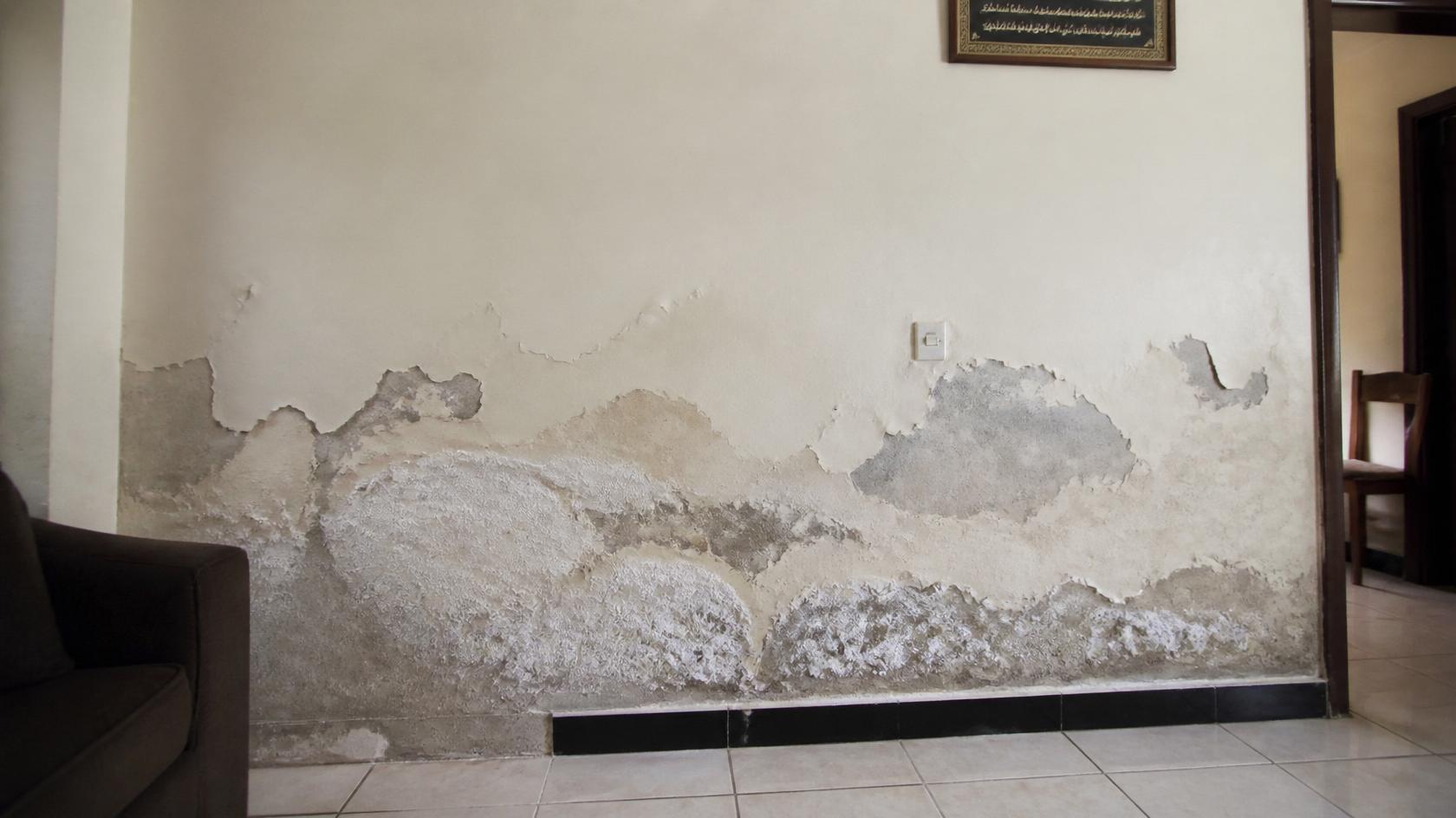
Waterproofing is one of those things people usually think about after the first stain appears on the ceiling. A corner becomes damp. Paint starts bubbling. A roof begins to leak during heavy rain. Then everyone starts looking for a quick fix.
The problem is that water damage rarely starts suddenly. It builds slowly. In Pakistan, where homes deal with summer heat, monsoon rain, seepage, poor drainage, and changing construction quality, waterproofing is not just a repair job. It is protection for the structure of your home or building.
Good waterproofing keeps water out of places where it should not enter. That includes roofs, basements, bathrooms, kitchens, exterior walls, water tanks, terraces, and foundations. When done properly, it can save you from repeated repairs, peeling paint, mold, bad smell, damaged plaster, and weak concrete.
Why Waterproofing Matters in Pakistan
Pakistan’s climate makes waterproofing more important than many people realise. In Lahore, buildings face hot summers, seasonal rain, and roof cracks caused by expansion and contraction. In Karachi, humidity, sea air, and sudden rainfall create a different kind of moisture problem. In Islamabad, cooler weather, rain, and hillside construction can make seepage and basement dampness more common.
This is why waterproofing in Lahore, waterproofing in Karachi, and waterproofing in Islamabad should not be treated the same way in every case. The material, surface condition, drainage, and weather exposure all matter.
What usually happens in real life is simple. A homeowner notices leakage and asks someone to apply a coating on the roof. The coating may work for a few weeks or one season. Then the leak returns because the real problem was not checked. Maybe the slope was wrong. Maybe rainwater was standing in one area. Maybe old cracks were not opened and sealed properly. Maybe the surface was dusty, so the coating never bonded well.
Waterproofing is not just about applying a product. It is about preparing the surface, finding the source of water entry, choosing the right method, and applying it correctly.
Common Areas Where Waterproofing Is Needed
The roof is the most exposed part of any building. It takes heat, rain, dust, water storage tank overflow, and foot traffic. Roof waterproofing is especially important for homes with flat concrete roofs, which are common across Pakistan. If water stays on the roof after rain, it slowly finds weak points and enters through cracks, joints, or poor plaster.
Bathrooms are another common problem area. Water can seep through tile joints, pipe openings, and weak floor beds. Many people think tiles make a bathroom waterproof. They do not. Tiles are only a surface finish. The real waterproof layer should be under the tiles.
Basements and foundations need special attention. Once water enters from the ground, repairs become harder and more expensive. Walls may stay damp even after repainting. The smell can stay too.
Exterior walls also need protection, especially where rain directly hits the surface. Cracks in plaster, poor paint quality, and unsealed joints around windows often allow moisture to enter. In many homes, people repaint the wall again and again, but the dampness keeps coming back because the water source is still active.
Roof Waterproofing: The Most Common Need
Roof waterproofing services are in high demand because roof leakage is one of the most visible problems. A leaking roof can damage ceilings, fans, wiring, furniture, and wall paint. During monsoon season, even a small crack can become a serious issue.
In practice, proper roof waterproofing starts with inspection. The roof should be checked for cracks, hollow plaster, weak corners, pipe penetrations, water ponding, and old coating failure. The slope should also be checked. If rainwater is not flowing towards the drain, even the best coating may not last long.
There are different methods for roof waterproofing. Some projects use liquid waterproof coatings. Some use membrane systems. Some need crack filling, cementitious waterproofing, or chemical treatment before coating. The right choice depends on the condition of the roof.
This is where many people make mistakes. They compare only the price per square foot and choose the cheapest option. Low-cost work may look fine on day one, but if the surface was not cleaned, cracks were not treated, or the product was too thin, the leakage will return. A good waterproofing job should not only cover the surface. It should seal weak points and manage water movement.
Choosing Waterproofing Services
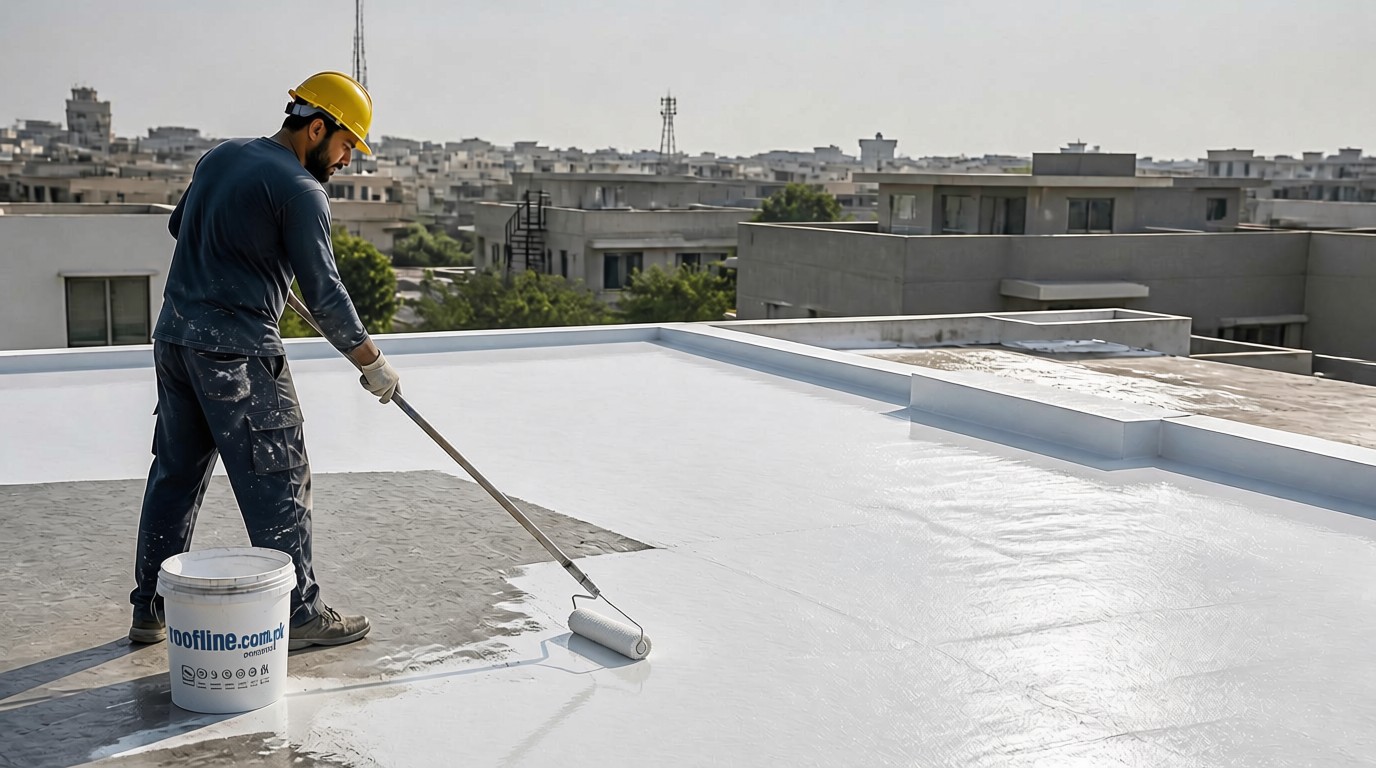
When people search for waterproofing near me, they usually want someone who can visit quickly and solve the issue without drama. That makes sense. Leakage is stressful, especially when rain is expected. However, choosing the first person who answers the phone is not always the best decision.
Reliable waterproofing services should include inspection, explanation, surface preparation, suitable material selection, proper application, and clear guidance after the work is done. A professional should be able to tell you why the leakage is happening, not just what product they will apply.
Ask simple questions:
What surface preparation will be done?
Will cracks be opened and sealed first?
How many coats will be applied?
What happens if water is standing on the roof?
Is the product suitable for heat and rain?
How long should the surface stay dry after application?
Good answers are usually clear and practical. Vague answers are a warning sign.
Waterproofing in Lahore
Waterproofing in Lahore is often needed because of roof cracks, rainwater leakage, bathroom seepage, and damp walls. Many houses have flat roofs that absorb intense heat during summer. Over time, small cracks develop. When monsoon rain arrives, those cracks allow water to enter.
Another issue in Lahore is poor roof slope. Water often stands in corners or around drains. If this is not fixed before coating, leakage may return. For Lahore homes, roof inspection before waterproofing is especially important.
Homeowners should also pay attention to old houses with brick walls and aging plaster. Dampness can travel through walls and show up far from the actual source.
Waterproofing in Karachi
Waterproofing in Karachi has its own challenges. Humidity, salt in the air near coastal areas, and unexpected heavy rain can affect buildings differently. Roofs, exterior walls, basements, and water tanks often need attention.
Karachi buildings may also suffer from seepage due to plumbing leaks and poor drainage around the property. Before starting any waterproofing work, it is important to confirm whether the moisture is coming from rain, pipes, tank overflow, or ground seepage.
What most people overlook is ventilation. In humid areas, trapped moisture can make rooms feel damp even when there is no active leakage. Waterproofing helps, but air movement and proper drainage also matter.
Waterproofing in Islamabad
Waterproofing in Islamabad is commonly required for roofs, basements, retaining walls, and exterior surfaces. The city receives rain in different seasons, and some areas have sloped land or water movement around foundations.
Basement seepage is a common concern in certain properties. Once water pressure builds outside basement walls, simple internal paint or coating may not solve the issue for long. The source of moisture must be understood. Sometimes drainage improvement is needed along with waterproofing.
For roofs in Islamabad, weather changes can affect old concrete surfaces. Small cracks should be treated early before they grow.
Common Waterproofing Mistakes
The first mistake is delaying the work. A small damp patch may not look serious, but water keeps moving. It can damage plaster, weaken finishing layers, and create mold.
The second mistake is painting over dampness. Paint can hide the stain for a short time, but it cannot stop seepage. The wall will bubble again.
The third mistake is using the same solution everywhere. A bathroom floor, concrete roof, basement wall, and water tank all need different treatment. One product cannot solve every problem.
Another common mistake is ignoring drainage. If water keeps standing on the roof, waterproofing will be under constant pressure. The roof should be shaped so water moves away quickly.
People also forget maintenance. Even after good waterproofing, roofs should be cleaned, drains should stay open, and cracks should be checked after harsh weather.
How to Know You Need Waterproofing
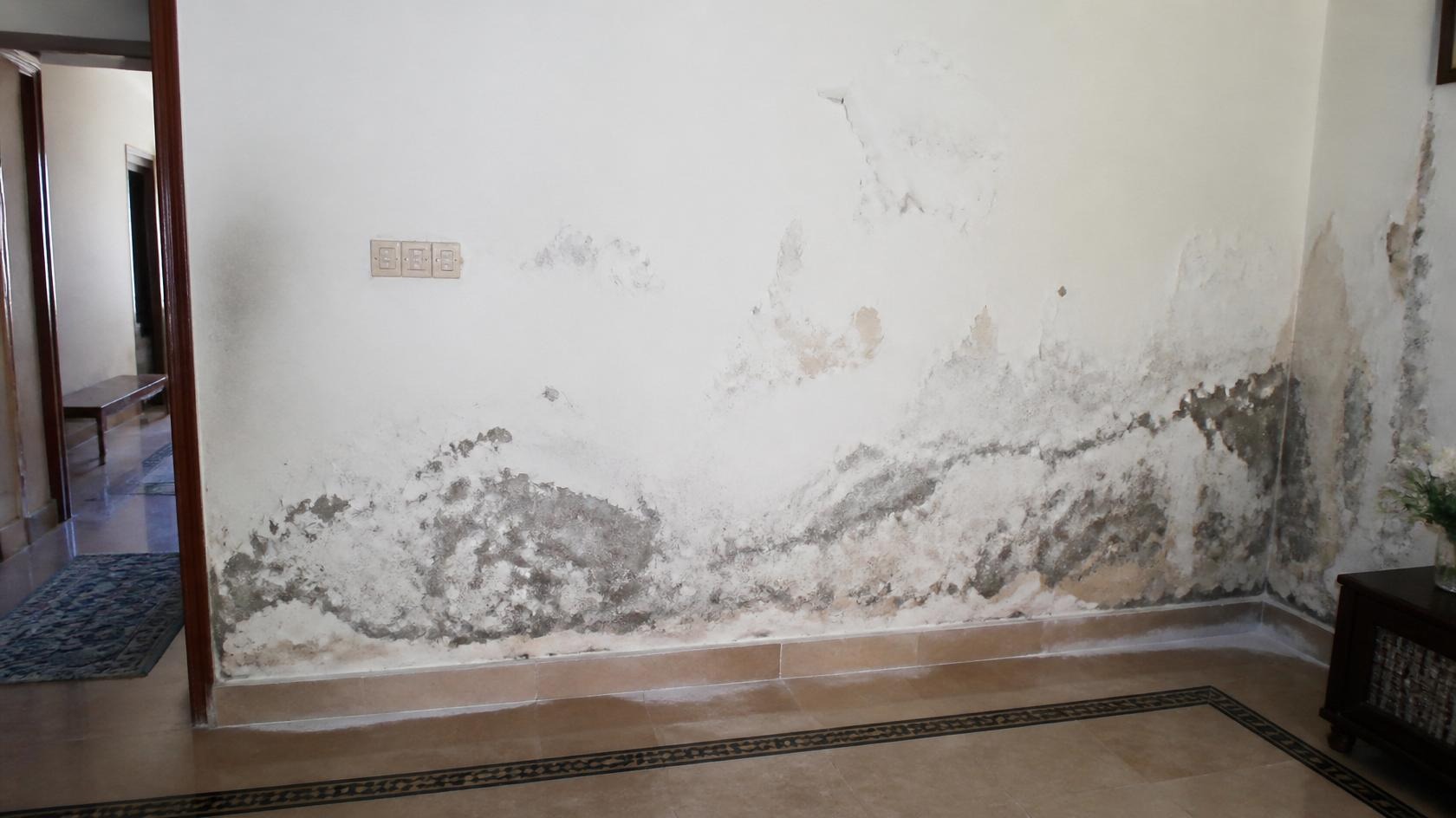
You may need waterproofing if you notice ceiling stains, peeling paint, damp smell, black spots, cracks on the roof, water dripping during rain, wet patches near bathroom walls, or moisture in the basement. Sometimes the signs are small. A slightly soft wall surface or powdery plaster can also suggest hidden moisture.
Do not wait until water starts dripping. Early treatment is usually cheaper and easier. Once plaster, wiring, wooden doors, and furniture get damaged, the cost increases.
Practical Advice Before Starting Work
Before hiring anyone, inspect the affected area after rain if possible. Take photos. Notice where water collects on the roof. Check whether the leakage appears only during rain or even on dry days. If it appears on dry days, a plumbing leak may be involved.
Clear the roof before work begins. Remove dust, loose material, old broken coating, and unnecessary items. Waterproofing needs a clean and stable surface.
Also, allow proper drying time. Many waterproofing products need dry weather to bond well. Rushing the job during active rain often leads to poor results.
FAQs About Waterproofing
What is the best time for waterproofing in Pakistan?
The best time is usually before the monsoon season, when the surface is dry and weather is stable. However, urgent leakage should be inspected immediately, even during rainy months.
Is roof waterproofing enough to stop all leakage?
Not always. Roof waterproofing helps when the leak is coming from the roof. If the problem is from pipes, exterior walls, bathroom seepage, or poor drainage, those sources must also be treated.
How long does waterproofing last?
It depends on the material, application quality, weather exposure, surface condition, and maintenance. A properly prepared and applied system usually lasts much longer than a quick coating job.
Why does leakage come back after waterproofing?
Leakage often returns when cracks are not sealed, the surface is not cleaned, water keeps standing, or the wrong material is used. Poor workmanship is also a common reason.
Can waterproofing be done on old roofs?
Yes, but old roofs need careful preparation. Loose plaster, cracks, dust, damaged coating, and weak areas should be repaired before applying any waterproofing system.
How do I find reliable waterproofing near me?
Look for someone who inspects the problem, explains the cause, recommends the right method, and does not rush straight into applying a product. Clear communication matters.
Is waterproofing needed only for roofs?
No. Waterproofing may be needed for bathrooms, basements, water tanks, kitchens, exterior walls, foundations, and terraces. Any area exposed to water can become a problem.
Conclusion
Waterproofing is not something to treat as a last-minute repair. In Pakistan, where rain, heat, humidity, and construction issues often work together, it is part of basic property protection. Whether you need roof waterproofing, bathroom treatment, basement protection, or full waterproofing services, the main goal should be to stop water at the source.
The smartest approach is simple. Inspect properly. Understand where the water is coming from. Choose the right method. Prepare the surface well. Do not rely on cheap shortcuts.
Whether you are looking for waterproofing in Lahore, waterproofing in Karachi, waterproofing in Islamabad, or simply searching for waterproofing near me, focus on long-term results rather than temporary cover-ups. A dry building is easier to maintain, healthier to live in, and much less expensive to repair over time.